
Restauromics Weekly Update
A Weekly Economics & Finance Briefing for Restaurant People. Issue: Monday, October 12, 2026
"Starbucks may want to buy Chipotle, Uber just bought the company that delivers your office lunch orders, and McDonald's franchisees are staring down an $800,000 remodel bill. Meanwhile, the independent with a paid-off flattop and no board of directors is sleeping just fine."
Prime Numbers
Financial trends that caught our attention:
$2.3B
UBER EATS PRICE TAG FOR EZCATER
All cash. ezCater serves 140,000+ restaurants with $400+ average orders.
$800K
COST OF ONE MCDONALD'S REMODEL
Franchisees want proof of the sales lift before they sign up for more debt.
12
TRUE FOOD KITCHEN UNITS CLOSED IN CHAPTER 11
34 remain open across 14 states as the chain looks for a buyer.
Starbucks Reportedly Explored Buying Chipotle. The Biggest Deal in Restaurant History Might Be Brewing.
Story 01 · Financial Times / NRN
The Financial Times reported on October 8 that Starbucks has spent recent months working with advisers on a possible takeover proposal for Chipotle. It is unclear whether a formal offer was ever made, and Starbucks said it does not comment on rumors. The market did not wait for confirmation: Chipotle shares jumped as much as 8.6% and Starbucks fell as much as 6.7%, its worst intraday drop in more than a year.
The storyline writes itself. Starbucks CEO Brian Niccol ran Chipotle from 2018 until August 2024 before leaving to rescue the coffee giant. If a deal happened, it would be the largest restaurant acquisition ever, topping Burger King's $11.4 billion purchase of Tim Hortons in 2014.
Analysts are skeptical. Starbucks is still spending heavily on its own turnaround, one analyst pegged the odds of a deal at roughly 20%, and another estimated leverage could balloon to about six times if Starbucks paid a typical premium mostly with debt. Starbucks reports fiscal Q4 results and 2027 guidance later this month, which is the next place to watch for clues.
What This Means For You:
Deal or no deal, the signal is the same: the biggest players believe the money is in fast, high-throughput, digitally ordered food and drink. That is exactly the lane they will spend billions to own. Your counter is everything a megachain cannot scale: a menu that changes with the season, a regular who gets greeted by name, a drink or dish nobody else in town makes. Lean into what consolidation flattens. And if a chain lands near you after a merger, expect a marketing blitz on value and speed, so tighten your own off-premise game before it shows up.
Uber Eats Is Buying ezCater for $2.3 Billion. Catering Just Became a Delivery App Battlefield.
Story 02 · Restaurant Dive
Uber Eats agreed on October 6 to acquire ezCater in an all-cash deal valued at $2.3 billion, expected to close within the next few months. ezCater works with more than 140,000 restaurants and generated over $2.5 billion in gross bookings over the past 12 months, with growth in the high teens. Average orders run over $400, and the business is already profitable.
This is an arms race. DoorDash has been on its own shopping spree, including SevenRooms for over $1 billion and Grubhub's college campus business for $300 million. Uber CEO Dara Khosrowshahi has called large orders and pickup a massive addressable opportunity, and catering is where the big tickets live. Chains know it too: Denny's, Del Taco, Sweetgreen, and Five Guys all added or expanded catering this year.
What nobody has said yet is how ezCater will be integrated or whether commissions will change. The companies have not disclosed any fee changes, so the cost impact for restaurants that rely on ezCater is still an open question.
What This Means For You:
If ezCater sends you orders today, pull your last 12 months of catering data now: order count, average ticket, and total fees paid. That is your baseline if terms change after the deal closes. Then build the direct channel you control. A simple catering menu on your own website with a phone number and an order form, plus a short list of the offices, schools, and churches within three miles, can win repeat $400 orders with zero commission. Use the platforms for discovery. Keep the relationship.
McDonald's Franchisees Are Pushing Back on an $800,000 Remodel Bill. Pricing AI Is Under Fire Too.
Story 03 · Restaurant Dive / Bloomberg
McDonald's rolled out its Next strategy in September: $8.5 billion in franchisee support through 2036 for remodels, technology, and operations, about $5 billion of it by 2030 in rent relief and capital help. The company projects roughly 250 basis points of restaurant-level efficiency gains, or about $100,000 in annual cash flow for a typical U.S. store. There is new food too, including hand-breaded chicken.
The catch is the price of admission. Remodels run about $800,000 per store, and Bloomberg reports franchisees were surprised by the cost, worried about taking on more debt while traffic is declining, and wanted more detail on the sales lift they should expect. McDonald's CFO Ian Borden says the spending will be phased in with the normal remodel cycle and support will vary by market.
At the same time, McDonald's is fighting reports that it uses AI to figure out what customers will pay. A consumer lawsuit claims its pricing tool violates antitrust law and notes menu prices rose 40% from 2019 to 2024. McDonald's says it does not use dynamic pricing and that its AI tool, part of a new system called ArchIQ, offers recommendations, not mandates. Wendy's backed away from a dynamic pricing test after a similar backlash in 2024.
What This Means For You:
Two lessons. First, even the best-capitalized system in the world has operators balking at big capital projects with fuzzy payback. Before you sign off on any remodel, new equipment, or tech package, write down the specific sales or labor gain it needs to deliver and the month it pays for itself. If the vendor cannot help you fill that in, walk. Second, guests are hypersensitive to anything that smells like surge pricing. Use data to set smarter prices, but keep them stable and explainable. A clear happy hour is a deal. A price that moves when it is busy feels like a trick.
True Food Kitchen Filed for Chapter 11. Its Post-Mortem Is a Checklist of What Not to Do.
Story 04 · Restaurant Dive
True Food Kitchen, the Scottsdale-based health-focused casual dining chain, filed for Chapter 11 on October 4. It closed 12 restaurants on the filing date and will keep 34 open across 14 states while it runs a court-supervised sale and looks for a long-term partner. It secured $20 million in debtor-in-possession financing from HumanCo, subject to court approval. The chain had peaked at 46 units.
The company's own explanation reads like a list of classic mistakes. It tested ghost kitchens and a delivery-only kitchen that strained staff and hurt the dining experience. Some new locations drew less foot and car traffic than expected. Leadership turned over repeatedly, and each new team shifted the growth strategy, the brand, and the menu. It expanded outside its core markets and into new product lines, and bought equipment that did not fit a health-focused brand.
A new CEO arrived in July, and the company has since cut corporate staff, renegotiated vendor contracts, and explored assigning leases. It is the latest in a run of casual dining restructurings this year, following FAT Brands' January filing and the closure of Smokey Bones.
What This Means For You:
Most of what sank True Food is not a big-chain problem. It is a growth problem. Before you chase a second location, a ghost kitchen, or a new revenue stream, ask whether it strengthens the thing guests already love or distracts the team running it. Underwrite every new site on realistic traffic, not the best case. Keep the menu and brand consistent long enough for guests to know what you stand for. Shiny side projects have sunk a lot of good restaurants. Focus is a strategy.
Quick Hits
Also Worth Watching:
- The chains are coming for 3 p.m. KFC launched Go Buckets, a $3.49 chicken-in-a-cup snack with four nuggets, two wings, or a tender plus fries or wedges. It is a direct play for the afternoon daypart, which Subway and Chipotle are also chasing with snackable items. If your dining room is dead between lunch and dinner, a small, cheap, high-margin snack menu might be the easiest revenue you add this quarter. Read about KFC Go Buckets →
- DoorDash wants to be your whole tech stack. Its new DashOS ties together marketplace orders, direct online ordering, reservations, loyalty, and marketing, and plugs into POS systems like Clover. DoorDash claims AI recommendations can lift reservations up to 15%, though that is its own number. Pricing was not disclosed. Before you hand over your guest data, ask who owns it and what happens to it if you leave. Read about DashOS →
GEN Z HOUSE EDITORIAL
 Jason Molinari
Research Analyst, Popcorn GTM
Economics and Business Studies Student at New York University
Connect on Linkedin
The Pumpkin Spice Tax is Back on the Rise
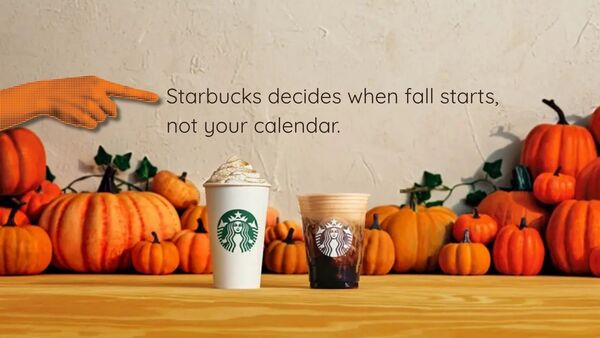
Last week I wrote about how matcha got expensive because supply couldn’t keep up with demand. Pumpkin spice is the complete opposite story. Starbucks decided to launch its 2026 fall menu on Tuesday, August 25, many weeks before the first real day of fall, yet people still showed up. And that’s the entire point.
READ: Starbucks decides when fall starts, not your calendar.
- Jason
+ + +

Restaurant Economics & Financial News Stories Delivered Weekly
The weekly economics briefing for independent restaurant operators, straight to your inbox. Free.
Previous Issues
Every week, archived.
- October 5, 2026: New SBA rules made restaurant buyouts harder to finance, diners are spending $100 a week and asking ChatGPT where to eat, September restaurant hiring cooled to just 10,800 jobs, and small-business health premiums are up 31% since 2022.
- September 28, 2026: One in three operators ran at a loss in the first half of 2026 as guests split into big spenders and deal hunters, USDA forecast restaurant prices outrunning groceries 3.5% to 2.4%, independents made up 68% of all summer openings, and fewer operators plan to raise menu prices while more tighten up the walk-in instead.
- September 21, 2026: The Fed raised rates for the first time since 2023, 380 independents told James Beard that wage growth slowed while AI interest climbed, USDA forecast egg prices to fall 30.7% in 2026, and OpenTable data showed diners chasing happy hour deals and last-minute tables.
- September 14, 2026: A merchant cash advance's effective annual rate can hit 100%, ground beef hit $6.89 a pound with more increases forecast, operators are holding headcount steady instead of hiring or cutting, and New York eliminated its seasonal outdoor dining teardown rule for good.
- September 7, 2026: Independent restaurants and bars outgrew chains on summer sales growth, casual dining reclaimed value from fast casual as QSR prices caught up, Canada's retaliatory tariffs hit coffee, cocoa, and seafood imports, and most operators believe AI gives them an edge but few can prove it improved profit.
- August 31, 2026: Florida's minimum wage hit its final scheduled step toward $15, a bipartisan swipe fee bill picked up an unlikely presidential endorsement, 2026 data put real numbers behind restaurant insurance costs, and delivery apps' advertised commission rates turned out to understate the real number by 10 to 15 points.
- August 24, 2026: Whataburger's $4 value menu escalated the QSR price war, a 38-store Moe's franchisee filed Chapter 11 on five-year-old COVID debt, Grubhub's FTC settlement is paying out $23.8 million to 640,038 drivers and diners, and tightening SBA lending met compressing franchise valuations in a new 1H26 report.
- August 17, 2026: A cyclospora outbreak crashed lettuce prices 16.4% in a month, the average restaurant is now short five workers, Cava grew same-store sales 9.7% by underpricing inflation on purpose, and a wave of immigration legislation is reshaping the labor pool in real time.
- August 10, 2026: A Salmonella outbreak tied to one jalapeño grower hit Chipotle, Qdoba, and Sweetgreen, Salad and Go closed all 70 stores overnight under bankruptcy, 71% of operators are raising prices even as low-income households absorb the most pressure, and diners are showing up for happy hour and spontaneity again.
- August 3, 2026: A 13-week cash flow forecast beats a monthly close, a major food traceability deadline moved to 2028 but the underlying risk did not, 4 in 10 guests say they are dining out less while fast casual keeps winning traffic, and Taco Bell's loyalty playbook outran a lettuce recall.
- July 27, 2026: A $38 billion swipe fee settlement barely moves the needle, avocado prices jumped 89%, a lettuce recall triggered nationwide lawsuits, and No Tax on Tips is finally final.
- July 20, 2026: Beef prices hit a record high as screwworm shut down Texas ports, independents need 29% more sales than 2019 just to break even, GLP-1 users are ordering smaller and spending less, and third-party delivery's true cost runs 30 to 40% of order revenue.
- July 13, 2026: Ground beef hit a record $6.90/lb, delivery apps' true cost is closer to 40%, a second Hardee's franchisee filed bankruptcy, and 256 independents split $1.28M in grants.
- July 8, 2026: 42% of operators not profitable, Jersey Mike's IPO economics, drive-thru AI, and 40 independent restaurants win $25K grants.