
GLP‑1 drugs are reducing calorie consumption by up to 40% for millions of Americans — but that doesn’t mean restaurants are losing traffic. It means they need to rethink menus, portions, and pricing. The brands that adapt fastest will lead the next chapter of growth.


 Appetite Disruption Is Already Here
Portion sizes, combo meals, upsell prompts — all built for a high‑appetite diner that’s disappearing fast. The rise of GLP‑1 medications like Ozempic and Zepbound is forcing restaurants to confront a new reality:
-
The $1 side of fries strategy doesn’t work if your customer isn’t hungry.
-
Operators aren’t just competing for attention — they’re competing for appetite.
-
When a customer eats 40% less, every forkful has to earn its place.
-
Bigger ticket ≠ more satisfaction. Nutrient density and flexibility now define value.
-
The next menu refresh isn’t about adding SKUs — it’s about subtracting friction.
This shift isn’t theoretical. It’s happening across national chains, backed by consumer data and reinforced by how people on GLP‑1s eat, order, and spend.
As Seen on CNN: “You Cannot Ignore the GLP‑1 Effect”
A January 2026 CNN Smerconish segment featuring consumer behavior analyst Ali Furman laid it out clearly (video):
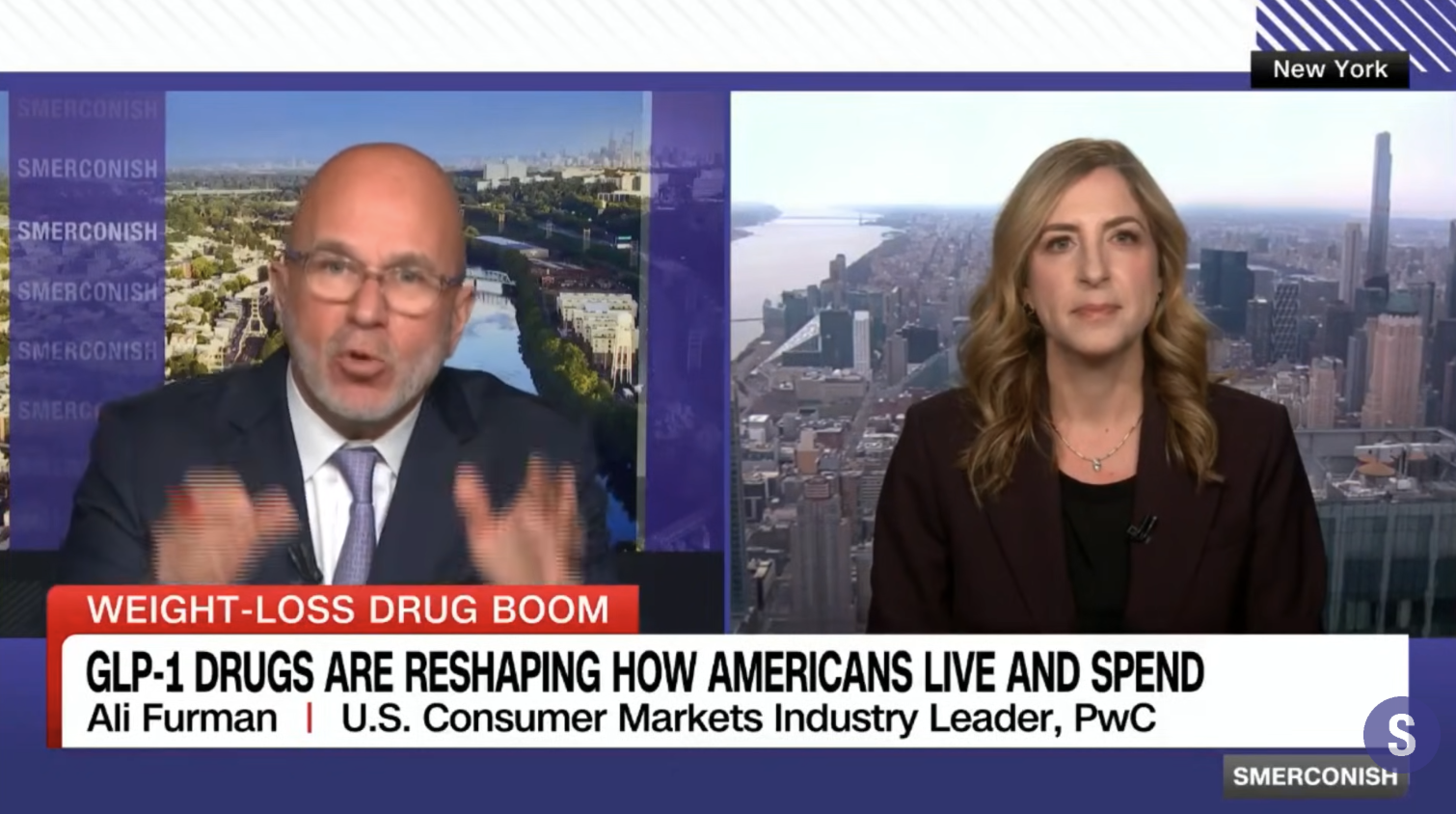
“People on these medications consume ~40% fewer calories and are spending about 5% less at quick-service restaurants.”
“The GLP‑1 customer isn’t eating out less — they’re eating differently.” — Ali Furman, CNN Smerconish
- Ali Furman, US Consumer Markets Industry Leader, PwC
Furman shared that household penetration of GLP‑1s rose from 9% to 20% in 2025, and with oral versions expected soon, usage will likely climb even further. The implication? This isn’t a boutique diet movement — it’s a broad-based consumer shift.
 Appetite Down, Expectations Up
NBC News first spotlighted how restaurant chains are responding — with smaller portions, lean proteins, and nutrient-dense menu designs. GLP‑1 users are skipping bread baskets and fries, not restaurants. Data shows a trend toward:
- Reduced side orders
- Simplified entrees
- Protein-forward meals
- Fewer items per visit
What Forward-Looking Brands Are Doing
Leading chains are already adapting:
- Chipotle introduced a High Protein Bowl and protein snack cups — not smaller meals, but smarter ones.
- Shake Shack launched a Wellness Menu, including lettuce wraps and portion-flexible burgers.
- Sweetgreen refined its “Plates” line for macro-conscious, post-GLP consumers focused on nutrient density.
- Smoothie King offers a complete GLP-1 Menu ... and support website.
- Starbucks & Dunkin --- protein in everything!
GTM Implications: Now’s the Time to Rethink
This consumer shift is an opportunity for strategic reinvention:
|
Area |
Action |
|---|---|
|
Menu Strategy |
Introduce smaller, premium-priced offerings with a satiety message |
|
Sales Ops |
Adjust portion-based metrics in forecasting and pricing models |
|
Tech Stack |
Build behavior-based triggers in loyalty platforms (e.g., suggest high-protein items) |
|
Brand Marketing |
Evolve from “low-cal” messaging to “high-function” storytelling |
The brands that meet evolving appetites with control, nutrition, and convenience will outperform those that just shrink portions.
 Don’t Call It a Diet Trend
This is not a weight loss moment. It’s a behavioral market shift impacting:
- Menu engineering
- Customer frequency
- AOV strategies
- Retail nutrition positioning
- Brand affinity
Adapt or Miss the Moment
The brands that rethink what “value” means in a post-GLP world will win. This is about evolving for changing biology — and rising expectations. Appetite has changed. What hasn’t: the opportunity to serve it smarter.
Need Help Repositioning for a GLP-Aware Consumer? Popcorn GTM helps restaurant technology founders and operators navigate evolving consumer trends with targeted sales operations, GTM strategy, and digital marketing support. Let’s talk.