If you live in New England, Dunkin' is less a brand than a utility. So I paid attention in January when it handed out 20 cups per store and somehow turned that into a national news cycle.
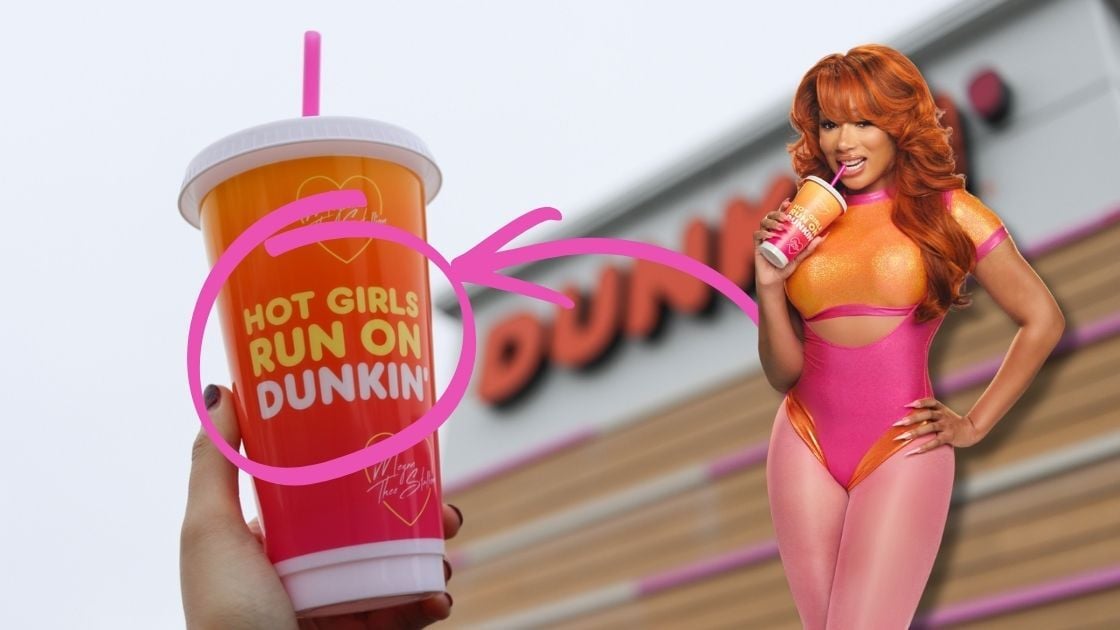
The promotion was "Hot Girls Run on Dunkin'," a limited-time offer built with Megan Thee Stallion. It looked like a celebrity drink drop. Look a little closer and it was a launch vehicle for Dunkin' Protein Milk, with a store-traffic play bolted on.
Years ago when I worked for a big Boston advertising agency (Dunkin' was a client), there were a lot of meetings where someone says "we need a moment." Most of those moments never show up. But this one did, and I think the reasons are worth walking through.
The real job was Protein Milk
The cup got the attention. What Dunkin' needed to sell was Protein Milk, which went national with this campaign and stays on the menu as a customization long after the cups are gone. A protein add-on is a tough sell by itself. Nobody lines up at 9:45 a.m. for a dairy option.
Inspire Brands described the LTO as the way in to that longer-term menu addition, and I think that framing is the most useful idea in the whole campaign. Restaurant tech companies run into this constantly, because the feature that keeps customers around is usually a lousy launch story. Dunkin' gave its quiet, durable product a loud and temporary reason to try it.

Twenty cups and a 10 a.m. start time
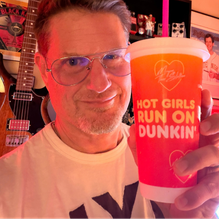
On January 16, Dunkin' gave away a limited-edition "Hot Girls Run on Dunkin'" reusable cup. Each store had 20, and the giveaway started after 10 a.m.
Twenty is almost nothing, which is exactly why it worked. People posted videos of the lines on TikTok, fans traded updates in a Dunkin' Facebook group, and plenty of stores ran out within minutes. A handful of cups turned up on resale sites shortly after.
The mechanics are simple enough to copy. A set start time got people to show up together, so the lines were visible and easy to film. Capping it per store meant the same scene played out at thousands of locations on the same morning. And because the prize was a physical thing people kept using, it kept appearing in photos after the giveaway ended, something a discount code never does.
Every person filming that line was doing Dunkin's distribution for free.
Dunk N' Pump: protein leaves the gym
The TV spot was an '80s jazzercise parody called "Dunk N' Pump," with Megan playing her alter ego, "Pro-Tina." It was there to sell Megan's Mango Protein Refresher.
Protein ads mostly look alike, with a gym and a lot of sweat. Dunkin' went with leg warmers and a performer who was clearly enjoying the bit. The Drum's case study calls the partnership co-created, and DesignRush pointed out that it moved protein out of wellness culture and into Gen Z pop culture.
I'd underline the co-created part. Megan had her own character and a drink with her name on it, so the campaign felt like something she helped make. Talent deals where the talent shapes the idea come across very differently from the ones where someone shows up and reads a script.
Did the drink hold up?
For the most part. Reviewers on social media generally put the Mango Protein Refresher around 7 or 8 out of 10. A few said the 15 grams of added protein made it thicker than they expected, while others were glad it didn't taste chalky like a shake.
I'd call that a solid result, and it matters more than the cup does. Hype gets someone in the door once. If the drink had been bad, Protein Milk would have started life with a bad first impression attached to it, and all that attention would have spread the word faster.
What I'd steal for restaurant brands and restaurant tech
You don't need a Grammy winner to use this playbook. The biggest idea is pairing a loud moment with a product you want people using six months from now. Pick that product first, then design the stunt around getting people to try it once.
Scarcity works better when it's local and on a clock. A regional chain could put 25 signed shirts in each store on a Saturday morning and get its own smaller version of those lines. While you're at it, think about what guests will film while they wait, because their phones will reach more people than most of what's on your media plan.
If you bring in a partner, celebrity or local chef, let them help shape the idea. And make sure the product can handle the attention. A crowd figures out fast when it can't.
For restaurant tech marketers, that first point is the one to tape to your monitor. Your stickiest feature is probably an integration or a report nobody will ever post about. The work is finding the hook that gets an operator to try it once, then letting the product keep them around.
The cup was the trailer
Twenty cups a store was a stunt, and a good one. It was also the trailer for a menu platform Dunkin' plans to sell for years, and that second part is what I want clients to notice. The best launches I've seen get people to take the first sip and then give them a reason to come back for another.
If you're planning your own version and want a second set of eyes, you know where to find me. Make it pop.
- Paul
Paul Molinari is the Founder and Principal Consultant of Popcorn GTM and host of the Modern Solutions for Modern Restaurants podcast.
Sources
-
- Dunkin' Protein Milk launch announcement, Dunkin' Newsroom
- Hot Girls Run on Dunkin' cup giveaway, Dunkin' Newsroom
- Inside Dunkin's co-creative partnership with Megan Thee Stallion, The Drum
- Dunkin' adds Protein Milk to the menu, Inspire Brands
- Dunkin' bets on protein with Megan Thee Stallion, DesignRush
- Megan Thee Stallion teams with Dunkin', Yahoo Entertainment
- Social posts: TikTok, Dunkin' World Facebook group, Instagram