Sit through five founder pitches in a row and you'll notice something. The products are different, the decks look different, even the people are different, but the brands all sound like the same three adjectives wearing a different logo.
The product is good, the founder is smart, the market is real, and still nobody remembers a word of it by the time the next pitch starts.
That's not a marketing problem. That's an identity problem, and it's the reason I wrote Heroes, Jedis, and Dudes: The Brand Archetype Field Guide for Founders, Marketers, and Other Rebels.
The question everyone skips
The official definition of marketing, the one the American Marketing Association has run since 1937, is twenty-six words long. Not one of them is "meaning." Not one is "identity." Not one is "story."
That's the whole problem, in one omission.
Most founders build a brand the way they build a spec sheet: product, price, positioning, and persona, checked off in order. Run the campaign, wonder why nothing lands. The plumbing works. Nobody wants to live in the house.
Here's what separates the brands people remember from the ones they scroll past: the memorable ones know who they are, at the level of character and gut reaction, not just what they sell or who they're selling to.
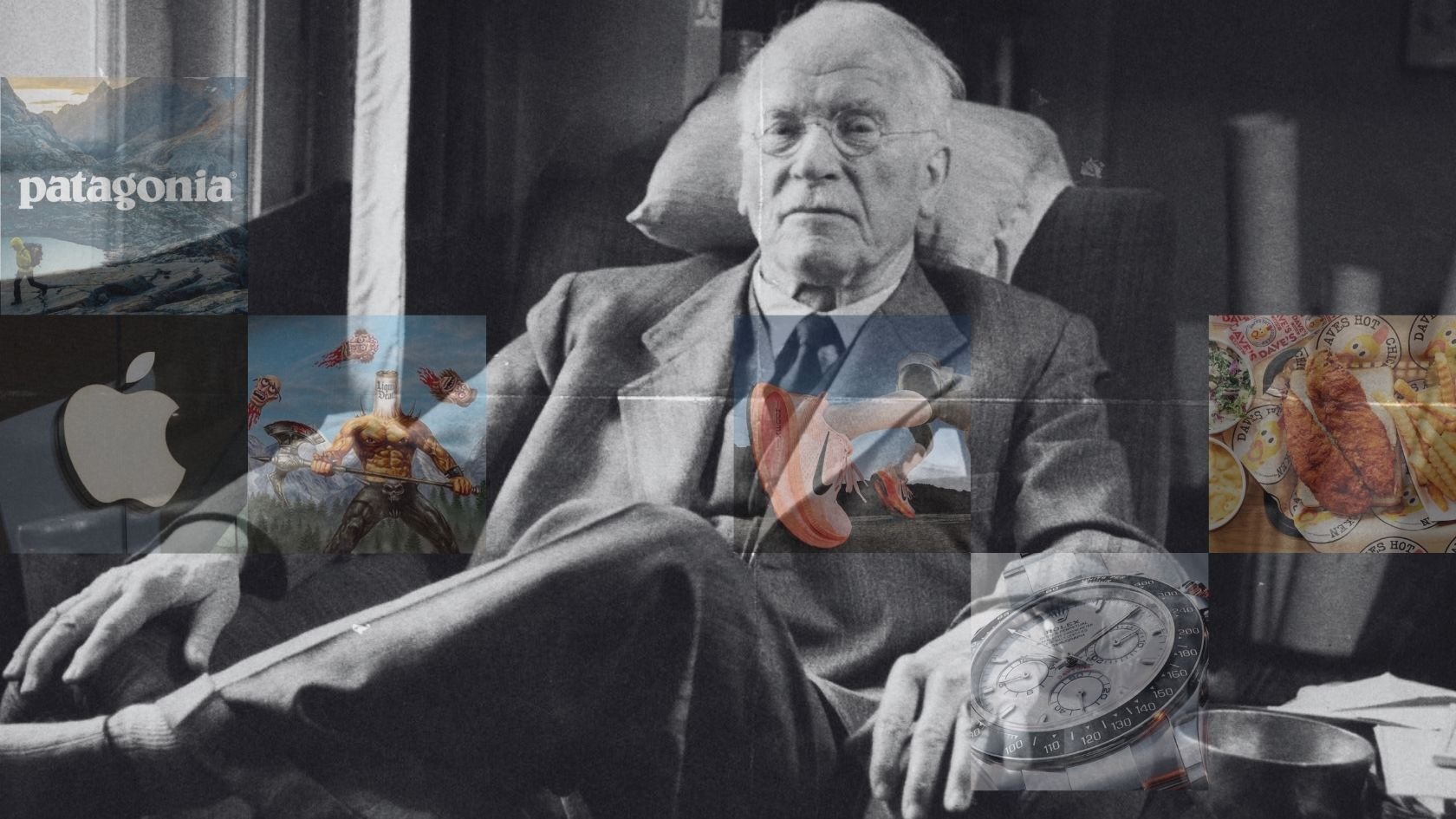
Nike doesn't make the best-engineered shoe on the shelf. It sells the belief that you've got something worth fighting for, and that's The Hero talking, the same voice it's used since before "Just Do It" had a hashtag. Harley-Davidson isn't the most reliable motorcycle on the road either. People still tattoo the logo on their arm for a machine that builds the soul of the American Outlaw. Apple never really sold computers. What it sold, and still sells, is the feeling that the person holding one sees the world a little differently. That's The Magician, and the archetype hasn't changed since 1984. Patagonia defines what it means to be an Explorer.
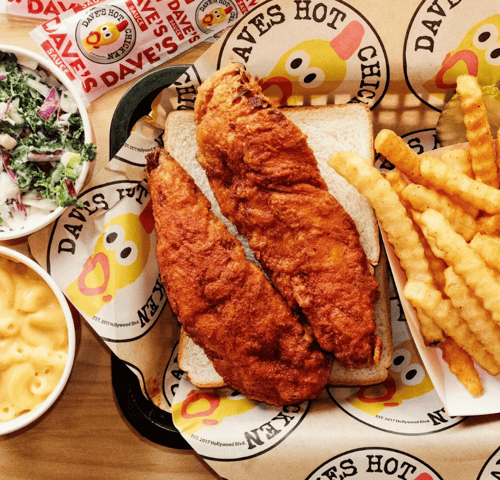 Dave's Hot Chicken is an Outlaw with a Hero's Journey mechanic bolted on for flavor.
Everything about Dave's says "we don't play by the rules of the chicken chain establishment." The origin story is a parking lot pop-up funded on a shoestring, not a boardroom concept test. The branding is black, red, skulls, and flames, not a smiling mascot. The collabs (e.g.: X-men '97) are streetwear and hip-hop-ish, not family-restaurant marketing. And "The Reaper" isn't just a hot dare. That's Outlaw doing what Outlaw does: reject the polished, safe version of the category and make defiance the whole point.
The heat-level ladder is the clever twist though. Ordering your way up to Reaper is a mini Hero's Journey: the call to adventure, the trial, the bragging rights when you survive it. So I'd call it Outlaw primary, Hero secondary, the same combo you see in energy drinks and a lot of streetwear brands. It's what makes people post their sweating, crying face on Instagram like they just finished a marathon instead of eating a chicken sandwich.
None of those brands won on specs. They won because they knew their character and never wavered from it.
Why this hits founders hardest
Marketers at big companies have budget, time, and a research team to eventually stumble into a brand that works. Founders don't get that luxury. You're building the plane, flying it, and painting the logo on the side at the same time. Every dollar of ad spend, every pitch, every hire, every landing page is either reinforcing who you are or diluting it, and most founders never stop to figure out which.
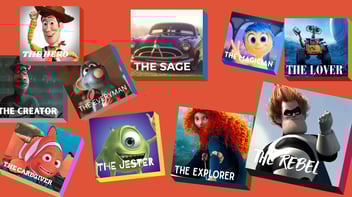
 That's the gap this book closes, not with a mood board exercise or a list of adjectives your whole team will forget by Friday, but with a system: twelve brand archetypes drawn from the same patterns Carl Jung found running through human psychology and Joseph Campbell found running through every myth ever told. The Hero, the Rebel, the Sage, the Explorer, and eight more. Characters your customers already recognize in their gut, because that recognition predates advertising by several thousand years.
Find the one that's yours, not the one that sounds coolest, not the one your competitor already claimed, and something shifts. The messaging gets easier to write. The voice stops wobbling between posts. Hiring gets easier too, because you finally know what kind of person fits the character you're building.
What's inside
The book walks through five moves, in order:
-
Archetypes: the twelve characters, and how to spot the one you're already unconsciously playing.
-
Storytelling: frameworks that turn your positioning into a story people repeat without being asked to.
-
Voice & Tone: the specific language choices that make you sound like a person instead of a press release.
-
Audience: who you're for, and who you should stop chasing.
-
Activation: how to put it to work in the content, campaigns, and product decisions you're making this week.
It pairs with the Popcorn GTM Brand Deck, a 53-card system built for exactly this kind of hands-on work. No theory dumps. No "your brand is a promise" filler line. Just the frameworks and prompts I've used with restaurant tech, SaaS, and consumer brands to help them stop blending in.
One honest note
I used AI to help write this book. Claude and a few other tools, and I'm saying that plainly rather than burying it somewhere nobody reads. The twelve archetypes, the frameworks, the voice tools: that system is mine, built from a decade of client work and pattern recognition. AI didn't invent any of it. It helped me get the system out of my head and onto the page faster, the way a good editor sharpens a manuscript instead of writing it. The ideas are mine. I just had fast help getting them down.

Start here
If you've built something good and you're tired of watching it get lost in a sea of brands that all sound the same, this is the book. Not because your product needs more features. Because your brand needs a character, and most founders never stop long enough to name theirs.
Heroes, Jedis, and Dudes is available now on Amazon in Kindle, paperback and hardcover.
Stop blending in. Go find your archetype.
- Paul
.png?width=352&name=popcorngtm_a_mix_of_characters_that_tell_a_story_colors_are_b_c309ca4b-2dee-4bd3-b34a-e9cdc22f2c92_3%20(1).png)
.png?width=352&name=Multi-brand%20concepts%20(1).png)