
26% of restaurant operators say they're using AI tools, per the National Restaurant Association's State of the Restaurant Industry 2026 report.
The number that should stop a restaurant-tech founder is what those operators are using it for.
Marketing leads.
19% of full-service operators and 15% of limited-service operators use AI to help with marketing, ahead of administrative tasks at 10% and customer ordering at 6%.
Your buyer now has the same tools you do. Which means the generic vendor content you publish is the thing they can already produce in about 5 minutes.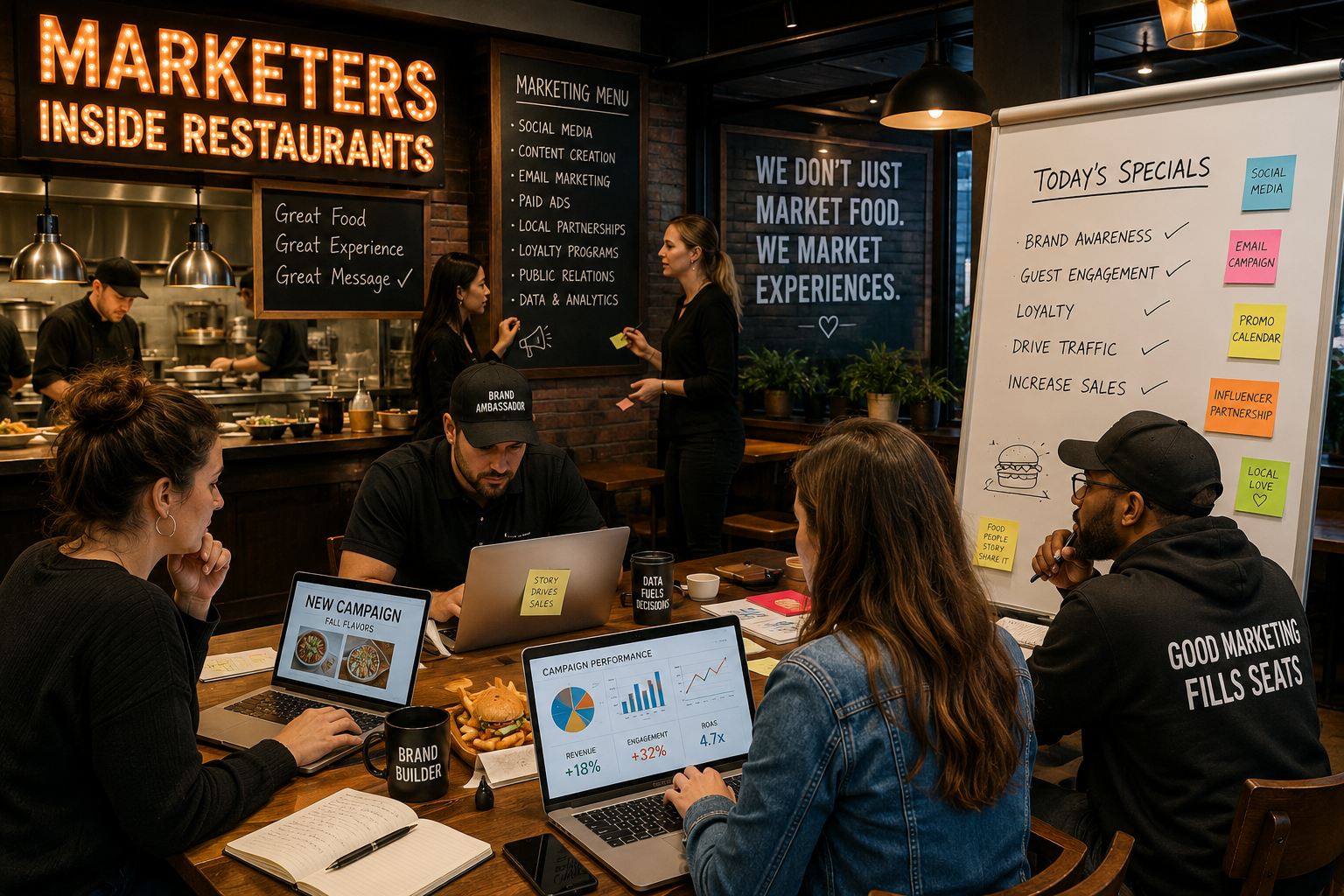
What are restaurant operators using AI for?
The pattern is clear once you sort by function.
Marketing is first, at 19% and 15%. Administrative work is second at 10%. Customer ordering trails at 6%, despite every drive-thru voice pilot that made the trade press last year.
Back-office adoption is moving faster than any of it.
62% of operators have implemented or plan to implement AI in at least one back-office function, more than double the level at the start of the year, per Restaurant365's 2026 mid-year research across 420+ operators and nearly 10,000 locations.
Reporting and analytics lead there, then scheduling, then inventory forecasting. All three sit directly on the 2 biggest lines of a restaurant P&L.
That's the tell. Operators have moved past experimenting. They're pointing AI straight at labor and food cost, and 61% report lower food costs while 62% report lower labor costs.
An operator who has watched AI take real cost out of their kitchen has a working mental model of what these tools do well. They bring that model to your marketing.
Why does operator AI use change what a vendor should publish?
Anything a language model can generate from public information is now free to your buyer.
A feature roundup. A "5 trends in restaurant tech" post. A glossary entry explaining what a KDS does.
Your prospect can produce all of it on demand, tuned to their own concept, without you.
About 52% of web articles are now AI-generated, per Graphite's analysis. That's the pile your content lands in.
So the question stopped being whether your content is good. It's whether your content is available anywhere else.
If the answer is yes, publishing it buys you nothing. You paid to add one more item to a pile your buyer can generate at will.
About 52% of web articles are now AI-generated (Graphite)
What can you write that your buyer's AI can't?
Three things you can focus on:
Your own numbers. A model can't tell an operator what happened when you rolled out to 40 locations in the Southeast last spring.
It can't cite your implementation timeline, your support response time, or the specific thing that went wrong in month 2 and how you fixed it. Nobody else has that data, so nobody else can generate it.
A named judgment. The NRA report says 28% of operators admit their technology is behind their competitors. A model will summarize that.
It won't tell them which of the 4 things they're behind on matters this quarter and which can wait until after the holidays. That call requires knowing the category well enough to be wrong in public.
The thing your buyer won't say out loud. 37% of operators name data privacy as the reason they haven't adopted AI.
34% name confidence in the accuracy of the output. 29% name cost, and 18% say they don't know where to begin.
Read that list again. The top 2 barriers are trust barriers, not budget barriers. A vendor writing about ROI is answering the third-place objection.
The content that moves a skeptical operator addresses the first 2 directly with specifics about what your system does with their data and what happens when it gets something wrong.
Where does that leave a restaurant-tech content plan?
Publish less, and publish only what you can say in your brand voice.
Start by auditing what's on your blog right now against one question: could a prospect have generated this with an AI chat? Anything that fails should get replaced rather than refreshed.
Then anchor the replacements to something proprietary.
Your implementation data. A customer's before-and-after with real numbers. A position on a live industry argument you'd defend on a podcast.
This is also why AI-assisted production and AI-generated content are different things.
We've written about why AI slop is killing brand trust and about why so much restaurant-tech marketing copy falls flat.
The problem in both cases is the same: content built from public information, reviewed by nobody, published automatically will never resonate.
The operators using AI for marketing are going to get very good at recognizing that.
Where Air Cover fits
Air Cover produces the weekly content most restaurant-tech brands can't staff, without producing the thing their buyers can already generate.
The engine drafts 20+ branded assets a week, plus blogs and newsletters.
Every piece gets shaped by marketers who know the category before it ships, which is the step the cheap end of this market skips.
Want to learn more? See how Air Cover works.
FAQ
What percentage of restaurants use AI?
-
26% of restaurant operators reported using AI-related tools in the National Restaurant Association's State of the Restaurant Industry 2026 report, published in February 2026. Adoption is higher when you count planned deployments: 62% of operators have implemented or plan to implement AI in at least one back-office function, per Restaurant365's mid-year research.
What do restaurants use AI for most?
-
Marketing is the top use case, at 19% of full-service operators and 15% of limited-service operators. Administrative tasks follow at 10%, and customer ordering trails at 6%. On the back-office side, reporting and analytics lead, then scheduling and inventory forecasting.
Why does operator AI adoption matter to restaurant-tech vendors?
-
Because your buyer now has the same generative tools you use. Any content assembled from public information is something a prospect can produce on demand, so publishing it no longer differentiates you. Proprietary data, category judgment, and direct answers to trust objections are what a model can't generate for them.
What's stopping restaurants from adopting AI?
-
Data privacy and security concerns lead at 37%, followed by confidence in output accuracy at 34%, implementation cost at 29%, and not knowing where to begin at 18%. The top 2 are trust objections rather than budget objections, which is where most vendor content is aimed.
Is AI-generated content bad for a restaurant-tech brand?
-
Unreviewed AI output is. About 52% of web articles are now AI-generated, so undifferentiated content lands in a very large pile and signals low effort to both buyers and search engines. AI-assisted production with real editorial review is a different thing, and it's how most brands will keep a weekly cadence.